
UX Research and User Behavior Analysis
We learn who your users are and how they behave through interviews, surveys, and usability testing. This research replaces guesswork with evidence, so every design choice has a reason behind it.
Design that earns trust, removes friction, and moves users to action.
B2B UX design services improve the usability and workflow efficiency of software, dashboards, and multi-role products used at work rather than for leisure. Our B2B UX design services combine UX research, interface design, and scalable design systems to build products people understand on the first try.
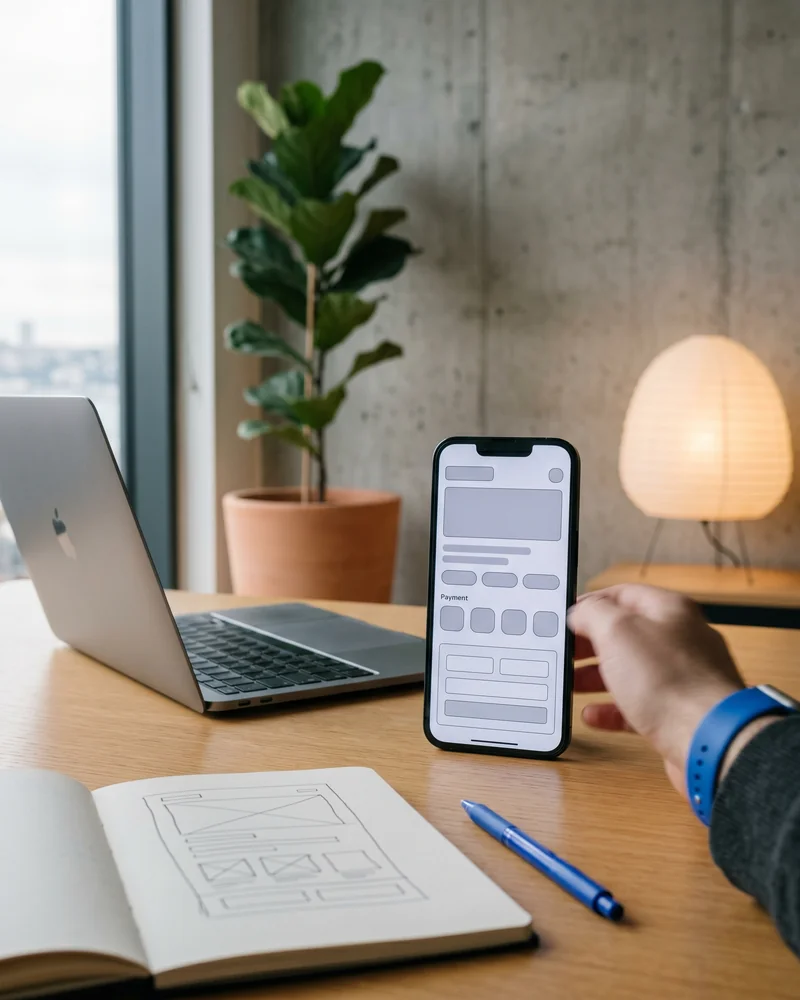 Research-Led Design
 Most products do not fail because of missing features. They fail because users cannot find or use the features that already exist.
Confusing navigation, unclear onboarding, and cluttered screens create friction. Every extra click, every moment of doubt, pushes a potential customer closer to leaving. For B2B and SaaS products, this shows up as low adoption, more support tickets, and higher churn.
The cost is real. Teams spend months building features that users barely touch, while simple usability problems quietly drain revenue. A focused design effort fixes the screens people actually use and protects the investment you already made.
End-to-end UI/UX design that takes a product from research to a developer-ready interface. Each part can stand alone or run as one connected engagement.
UI/UX design is the discipline of researching user needs, structuring how a product works, and designing how it looks, so a digital product is easy to understand and use. UX covers research, information architecture, and usability. UI covers the visual interface, including layout, typography, color, and components.
We learn who your users are and how they behave through interviews, surveys, and usability testing. This research replaces guesswork with evidence, so every design choice has a reason behind it.
We organize content and features so users always know where they are and where to go next. Using card sorting and tree testing, we structure navigation around how people actually think.
Before a line of code is written, we map the layout and logic of each screen. Fixing a flow in a prototype takes minutes. Fixing it after development takes weeks.
We turn validated structure into a polished, on-brand interface with clear typography, consistent spacing, and accessible color. The result feels effortless to use and looks like a product worth paying for.
We build design systems in Figma with reusable components, variants, and clear naming. Your team ships faster, and nothing breaks as new screens get added.
Built to reduce risk before development starts. Each stage produces something you can review and approve.
We define goals, constraints, and what success looks like in measurable terms, then write a sharp problem statement everyone agrees on.
We translate insights into wireframes and clickable prototypes, because moving a box in Figma costs seconds while rewriting code costs days.
We test prototypes with real users before developers build anything, watching task success, time on task, and where people get stuck.
We deliver developer-ready files with components, states, and specifications, then keep refining based on real usage data after launch.
UI/UX design is an investment, so we tie it to numbers that matter. We agree on these goals before the work begins, so progress is never a matter of opinion.
Friction drops and more users complete the key actions that matter to your business.
Onboarding makes the value of your product obvious early, so users stick around.
Interfaces prevent mistakes instead of explaining them, cutting repetitive support tickets.
The product becomes easier and more satisfying to use, so customers stay longer.
A design system cuts handoff time and keeps your product consistent as it grows.
Decisions rest on user research and usability testing, not internal guesswork.
Tell us where users get stuck and we will show you what a focused redesign can change.
Different products carry different design challenges. We tailor the approach to your product type instead of forcing one template onto everything.
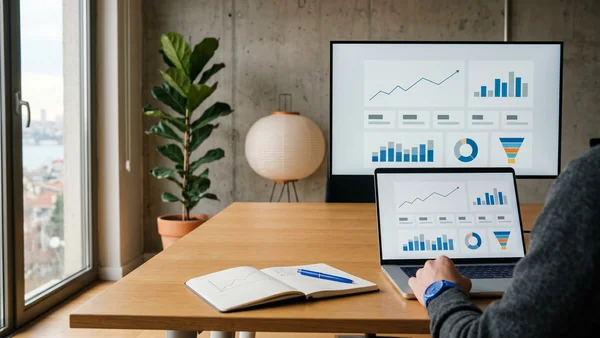
Complex platforms with multiple roles, analytics, and multi-step workflows demand clarity. We design information-dense dashboards where the right data surfaces fast and users never feel lost in the depth.
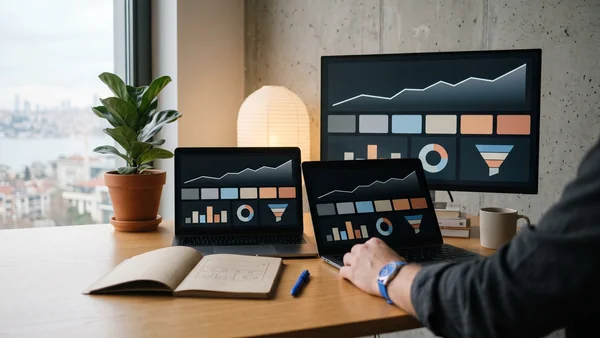
For online stores, every screen is a step toward purchase. We design product pages, category flows, and checkout experiences that remove hesitation and move shoppers to buy.
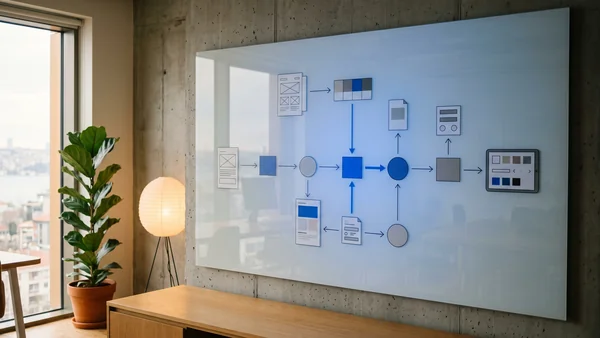
Your website is often the first impression a buyer forms. We design corporate sites and landing pages where layout, performance, and storytelling work together to capture qualified leads.
We are a B2B digital partner, not a decoration service. Our design work connects to the rest of your growth engine, from SEO to paid media to development.
Every project is led by people who care about outcomes, not just deliverables. We design with research, validate with real users, and hand off clean files your developers can build without friction. You get a partner who treats your product like a system, not a single screen.

UI/UX design rarely ships in isolation. Most interface work feeds straight into a build, a brand system, and a conversion goal, so it pays to see where this service sits in the bigger picture.
When the screens become a full site, our web design service takes the flows and turns them into a fast, SEO-ready build. If you also need a consistent visual brand behind those interfaces, our graphic design service covers identity, collateral, and creative. And once a product is live, our conversion rate optimization service tests and refines the experience so it keeps earning.
Common questions about how UI/UX design works, timelines, pricing, research, deliverables, design systems, and how we build for B2B and SaaS products.
Tell us about your product and the problem you want to solve. We will review your current experience and propose a clear design direction with concrete next steps.
Strong UI/UX design is no longer a luxury. It is the baseline for trust, adoption, and growth.
Tell us about your product and goals, and we will get back to you to walk through your current experience and a clear design direction.
We reply to your form as soon as possible.